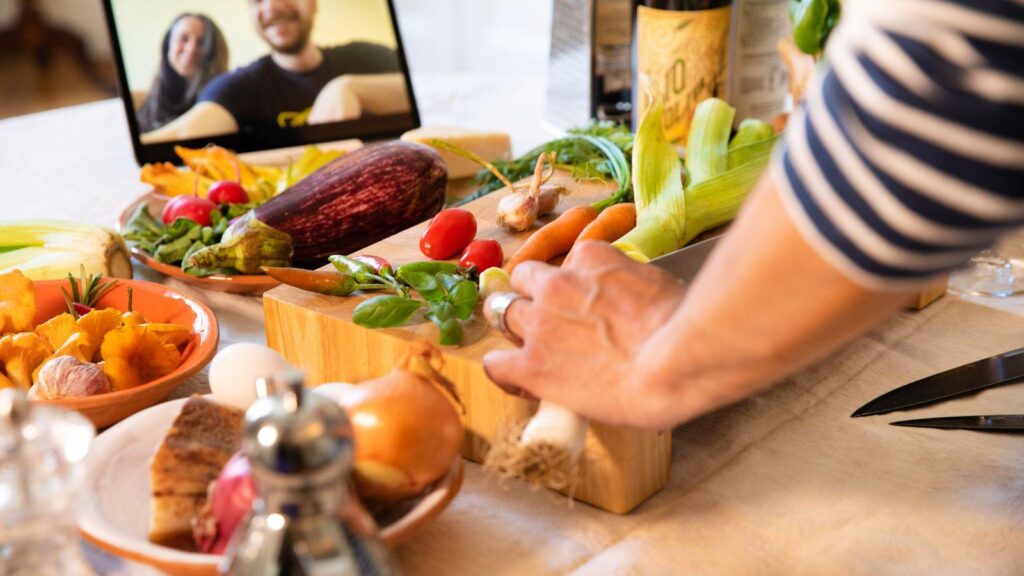
Choosing between online and in-person Cooking Classes can be a significant decision for anyone interested in expanding their culinary skills. This choice often depends on personal preferences, learning styles, and lifestyle needs. As the demand for culinary education grows, agencies are offering flexible options to meet diverse learner needs. This article explores the merits of online and in-person formats, helping you decide which approach aligns with your lifestyle and culinary ambitions.
Online Cooking Classes: Convenience and Flexibility
Online Cooking Classes offer unmatched convenience, allowing participants to learn from the comfort of their own kitchens. This format is perfect for those with busy schedules, as classes can often be accessed at any time, fitting seamlessly into varied time commitments. Agencies specializing in Food Science Instructional Design are crafting interactive online modules that incorporate Flavor Profile Analysis, enabling learners to understand complex taste components remotely. A recent Forbes report highlights that online educational platforms have seen a 30% increase in enrollment, reflecting their growing popularity.
Moreover, online platforms often provide access to a broader range of instructors and cuisines from around the globe. This diversity not only enriches the learning experience but also allows for a more tailored approach to Culinary Curriculum Development. Participants can choose specific courses that align with their interests, such as Ingredient Sourcing Strategy or Nutritional Compliance Audit, ensuring a personalized educational journey.
In-Person Cooking Classes: Hands-On Experience and Community
For those who thrive in a tactile learning environment, in-person Cooking Classes offer invaluable hands-on experience. These classes provide the opportunity to engage directly with ingredients, employing a Sensory Evaluation Matrix to fine-tune cooking techniques and flavor profiles. The immersive nature of in-person classes fosters a deeper understanding of culinary arts, often leading to higher retention rates and skill acquisition.
Additionally, in-person classes facilitate community building and networking opportunities, essential for those looking to expand their professional circles within the culinary world. Participating in Farm-to-Table Educational Workshops, for instance, connects learners with local producers and fellow enthusiasts, enriching both personal and professional ties. This format also adheres to stringent Food Safety Management System (FSMS) standards, ensuring a safe and regulated learning environment.
Comparing Costs: Online vs. In-Person Cooking Classes
The financial considerations between online and in-person learning can be significant. Online classes are generally more cost-effective, as they eliminate the need for travel and often have lower course fees. This affordability makes culinary education accessible to a broader audience, aligning with Dietary Trend Forecasting that predicts a rise in home-based cooking solutions.
In contrast, in-person classes may incur additional expenses such as commuting, materials, and sometimes higher tuition fees. However, they offer the benefit of immediate feedback and personal interaction with instructors, which can be crucial for mastering complex techniques. According to Education Week, 65% of students report that in-person instruction significantly enhances their learning experience.
Choosing the Right Format for Your Culinary Journey
Selecting the right format for your culinary education depends largely on your personal and professional goals. If flexibility and cost are primary concerns, online Cooking Classes might be the ideal choice, offering diverse course options like Recipe Standardization Process and Consumer Palate Research. These can be accessed at your convenience, aligning with your unique schedule and learning pace.
Conversely, if your focus is on gaining practical experience and building a network within the culinary community, in-person classes might better suit your needs. These classes offer a structured environment conducive to Culinary Arts Accreditation, providing comprehensive training that prepares you for advanced culinary pursuits.
Conclusion
Deciding between online and in-person Cooking Classes ultimately hinges on your lifestyle and learning objectives. Both formats offer distinct advantages, with online classes providing flexibility and a wide range of options, while in-person classes deliver hands-on experience and community engagement. By aligning your choice with your culinary goals, you’ll embark on an educational journey that enhances your skills and enriches your passion for the culinary arts.